
How to Get Court Records
For Superior civil, felony, and Superior Juvenile records, start with PeachCourt or Patricia L. Bass, Clerk of Superior Court. The counter is in Suite 5 at 56 W. Main Street, Lakeland, and the phone is 229-482-3594. Probate, Magistrate, and county traffic requests belong with the separate Suite 10 offices. Their online form sends requests to the correct division and accepts one case per submission. Municipal court files stay with Lakeland or Ray City. The published research does not confirm a Superior email, drop box, mail checklist, or public terminal, so call before using an unlisted channel.
- Identify the court, case or citation number, party role, date range, and exact document.
- Check PeachCourt, Georgia Magistrate Records, or Georgia Probate Records for an online entry.
- Call or visit the correct clerk when the image is absent; use the local form for Probate, Magistrate, or traffic.
- Ask about search, page, certification, and research charges before ordering.
- State whether the requested product is a plain copy, certified copy, or transcript.
Lanier Records Request Timing
The Lanier Probate and Magistrate request process gives an estimate of about three to five business days. It asks the requester to select Probate, Magistrate, or Traffic and provide a case number when known, party names, record type, date range, and a detailed description. Only publicly available material is supplied. Fees may apply for copies, certification, or extensive research.
That local estimate is a practical workflow, not a promise for the Superior Clerk. Georgia open-records guidance calls for production within a reasonable time not exceeding three business days, or notice explaining when and why a record is unavailable. A court restriction can still control. Keep the request and response if access is denied, and ask for the cited legal basis.
Older files need an extra check. Lanier's Magistrate material describes retention of about ten years, but no countywide archive schedule was found. Ask whether an older file is stored off site, on microfilm, or under another retention process. Do not assume the same span applies to Superior, Probate, or municipal records.
Types of Court Records
Lanier County court records range from a docket index to the actual papers filed in a case. The Superior Clerk keeps major civil, felony, and Superior Juvenile records. Probate Court keeps estate, guardianship, and county traffic files. Magistrate Court holds small civil claims, dispossessory, garnishment, warrant, and ordinance material. A municipal clerk keeps a city citation file. A court reporter, rather than the clerk, is the starting point for a hearing transcript.
- Docket sheets and chronological event lists
- Complaints, answers, motions, notices, orders, and judgments
- Public criminal filings, pleas, settings, and dispositions
- Probate, estate, guardianship, Magistrate civil, and ordinance files
- Traffic citations and municipal court records
Three Lanier Record Products
A docket, a filed document, and a certified copy are different products. The docket is an index-like list of what happened. It may show filings, settings, orders, disposition events, and status fields. The filed document is the complaint, motion, judgment, exhibit, citation, or other image behind an entry. A certified copy is authenticated by the clerk for an official use. A screenshot or ordinary printout is not automatically certified.
Docket Chronological case-event list.
Document The actual filed paper or image.
Certified copy A clerk-authenticated duplicate.
Ask for the specific product needed. That choice controls the office, cost, and delivery process.
What a Court Record Contains
A Lanier County case file can contain a header, party information, the cause or charge, a chronological register, court settings, disposition, and linked documents. Not every public result shows every field. The Alapaha circuit's monthly calendar, for example, may show only the county, date, time, and calendar label. Protected identifiers are redacted, and sealed documents may not appear at all.
| Case Number | The court-issued file key; Lanier has not published one universal format. |
|---|---|
| Pleadings | Complaints, petitions, answers, motions, and notices. |
| Orders & Judgments | Signed rulings and final or post-judgment entries. |
| Docket Sheet | The date-ordered register of filings, service, settings, and outcomes. |
| Exhibits | Attachments or evidence when filed publicly and not restricted. |
Lanier PeachCourt Document Layer
PeachCourt is the e-access route for Lanier Superior Court. Its help distinguishes docket information from document images. Most images cost fifty cents per page plus a small convenience fee. In the manual or criminal eAccess context, provider help also describes a two-dollar document charge plus the per-page and convenience charges. An e-filer of record may receive different access.
Provider help says most participating courts have docket data back to 2005, but that does not establish complete Lanier coverage from that year. Older records, unavailable images, and certified copies should be checked with the Superior Clerk. For the underlying case first, use the contextual Lanier County case search.
Certified Copies and Fees
A plain copy reproduces the public record. Certification adds the clerk's authentication. The Lanier Superior Clerk has not posted a complete plain-copy, certified-copy, exemplification, ID, mail, or turnaround schedule. Confirm those terms before promising a price. Probate and Magistrate forms likewise say fees may apply without stating a fixed amount. Georgia Attorney General guidance permits reasonable search and administrative cost after the first fifteen minutes and copying of up to twenty-five cents per page under the cited guidance.
| Item | Amount |
|---|---|
| PeachCourt document image | $0.50 per page plus convenience fee |
| Manual/criminal eAccess document | $2.00 plus page and convenience charges in provider help |
| Probate/Magistrate copy or certification | Fee may apply; exact amount not posted |
| Superior plain or certified copy | Confirm with the clerk |
Clerk of Superior Court
56 W. Main Street, Suite 5
Lakeland, GA 31635
229-482-3594
Lanier Transcripts Use Reporters
A transcript is not the same as a docket sheet or document image. The Alapaha Judicial Circuit directory lists court reporters and professional contact details. Start there for a word-for-word hearing record. No Lanier transcript order form or fee schedule was located, so ask the reporter about availability, estimate, deposit, format, and delivery time.
Exhibits are another distinct item. The clerk may hold filed public exhibits, while sealed or protected parts remain unavailable. Describe the hearing, case number, date, and exact item. This prevents a request for a “full record” from being routed to the wrong custodian.
The circuit directory separates judge assistants, the administrator, and reporters. Calendar staff can confirm a setting, but they do not replace the records custodian. Direct a certified-copy request to the clerk and a verbatim proceeding request to the reporter.
Lanier Open Records Guidance
The Georgia Attorney General publishes a useful summary of response, copy, and redaction rules.
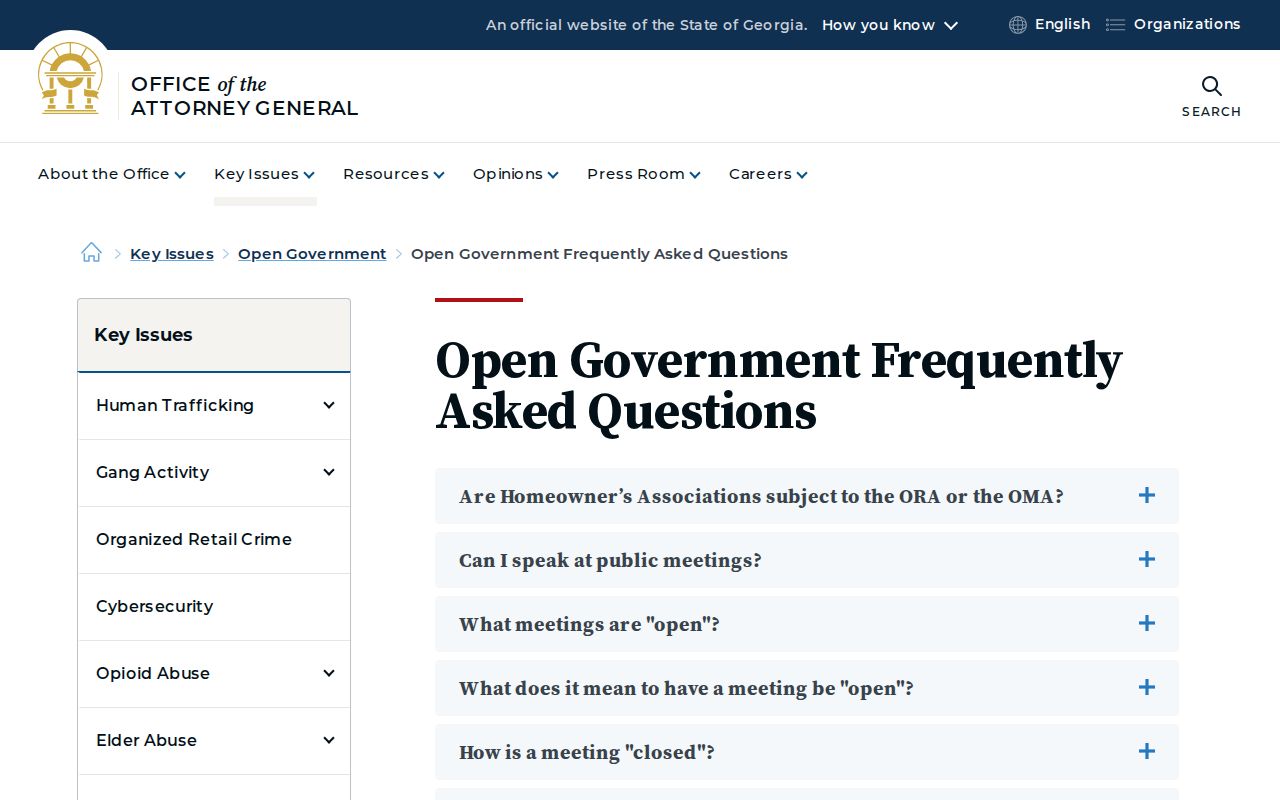
The guidance explains that an agency should produce responsive records within a reasonable time, not more than three business days, or state when and why they cannot be produced then. Court-specific confidentiality and sealing rules still apply.
Public Access and Sealed Records
The Georgia Open Records Act states a strong policy favoring access, while court rules and specific statutes limit some files. Social Security numbers, financial data, medical or insurance information, and other protected identifiers may be redacted. Juvenile records are commonly restricted. Adoption files, unsigned proposed orders, and court-sealed portions may be excluded from an electronic result. Absence of an image does not establish absence of the case.
Key rules: OCGA §§ 50-18-70 and 50-18-71 support public access and set response and cost principles. Uniform Superior Court Rule 21 governs public court records and orders that limit access.
Ask for the public or redacted portion and a written basis when access is limited.